
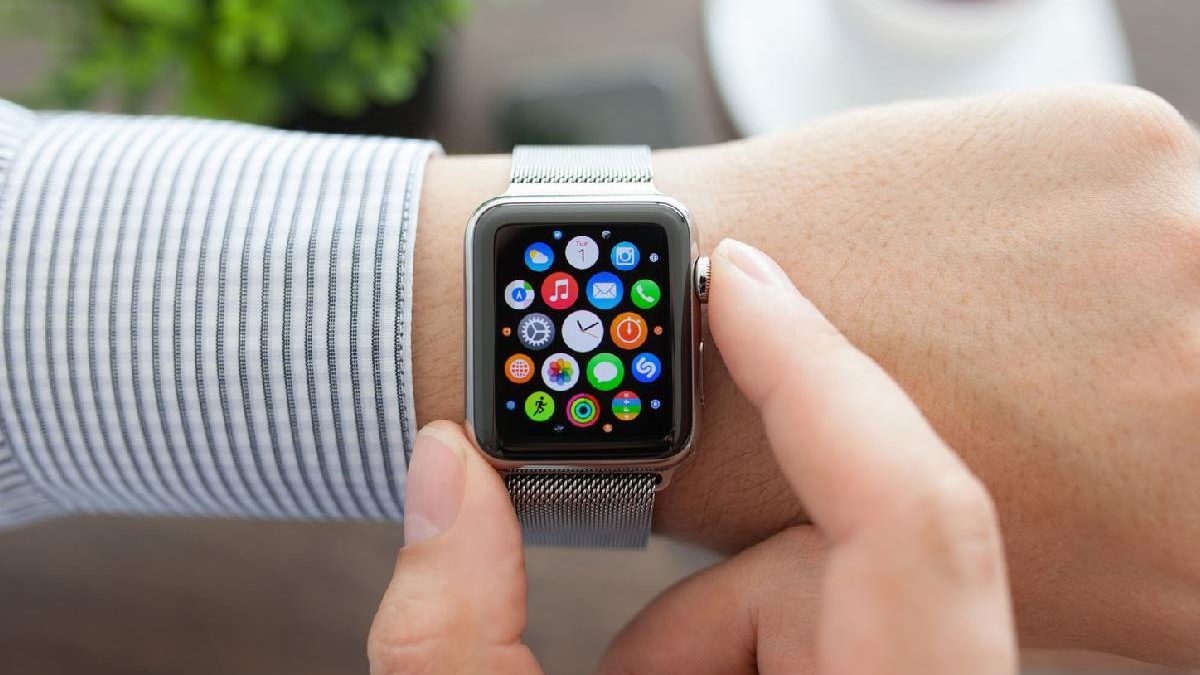
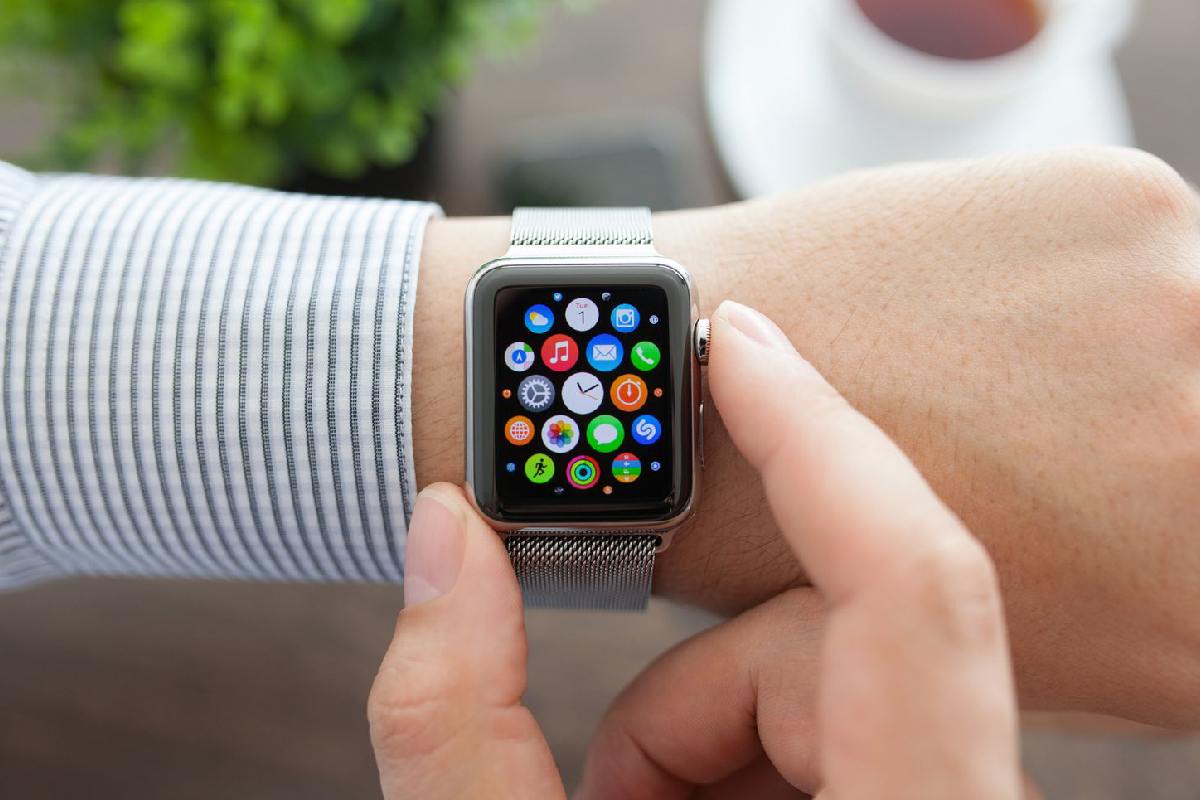
Over the last decade, wearable technology has evolved from niche gadgets into essential everyday tools. Among the most popular wearables today are smartwatches. What began as simple notification devices has transformed into powerful health monitors, productivity assistants, and fitness trackers.
As technology continues to improve, smartwatches are becoming one of the most practical pieces of tech consumers can own.
In this article, we’ll explore why smartwatches have become so popular, what features matter most, and how they are changing the way people manage their health and daily routines.
Table of Contents
The Evolution of the Smartwatch
Early smartwatches were relatively simple devices. Their main purpose was to display smartphone notifications on your wrist. While convenient, they lacked the functionality needed to make them truly essential.
Modern smartwatches are dramatically different.
Today’s models include features such as:
- Advanced health monitoring
- Built-in GPS
- Fitness tracking
- Contactless payments
- Voice assistants
- Sleep tracking
- Smartphone integration
These capabilities have transformed the smartwatch from a novelty into a powerful everyday companion.
Health Tracking Is Driving Smartwatch Growth
One of the biggest reasons for the rise of smartwatches is health tracking.
Many people now rely on wearable devices to monitor important health metrics such as:
- Heart rate
- Daily activity levels
- Sleep patterns
- Workout performance
- Calories burned
These insights help users stay motivated and make healthier lifestyle choices. Activity rings, step goals, and fitness challenges encourage people to stay active throughout the day.
For many users, this constant feedback has made smartwatches a critical tool for maintaining healthy habits.
Smartwatches Make Fitness Tracking Easier
Fitness tracking used to require specialized equipment or dedicated GPS devices. Smartwatches have simplified this process by combining multiple features into one wearable device.
Most modern smartwatches can track activities such as:
- Running
- Cycling
- Swimming
- Strength training
- Hiking
- Walking
Built-in GPS allows athletes to track distance, pace, and routes without needing a smartphone. This makes smartwatches especially useful for runners and outdoor enthusiasts.
The ability to automatically record workouts and analyze performance data has made wearables extremely popular among fitness-focused consumers.
Smartwatches Improve Daily Productivity
Beyond fitness and health tracking, smartwatches also improve daily productivity.
With a quick glance at the wrist, users can:
- Read notifications
- Respond to messages
- Answer calls
- Set reminders
- Check the weather
- Manage calendars
This reduces the need to constantly check a smartphone, which can improve focus during work or meetings.
Voice assistants integrated into smartwatches also make it easier to control smart home devices, create reminders, and ask quick questions without pulling out a phone.
Safety Features Are Becoming a Major Benefit
Another reason smartwatches are gaining popularity is their safety features.
Many modern models include:
- Fall detection
- Emergency SOS alerts
- Crash detection
- Location sharing
These features can be especially valuable for older adults, runners, hikers, or people who spend time alone outdoors.
If the watch detects a serious fall or accident, it can automatically contact emergency services and share the user’s location.
For many families, this added layer of security makes a smartwatch a worthwhile investment.
Battery Life and Performance Continue to Improve
Battery life was once a major weakness of wearable technology, but recent improvements have helped address this issue.
Many modern smartwatches now last multiple days on a single charge, depending on usage and features.
Processor upgrades have also made smartwatches faster and more responsive, allowing apps, notifications, and voice commands to run smoothly.
As technology continues to improve, we can expect even longer battery life and more powerful performance from future devices.
Choosing the Right Smartwatch
With so many models available today, choosing the right smartwatch depends on several factors.
Consumers should consider:
- Compatibility with their smartphone
- Health tracking features
- Fitness capabilities
- Battery life
- Design and comfort
- Price
Some watches focus heavily on fitness and outdoor performance, while others emphasize smart features and app ecosystems.
For buyers who want to explore detailed comparisons, feature breakdowns, and buying advice, resources like WatchFitGuide.com provide in-depth smartwatch reviews and guides to help users choose the best device for their needs.
The Future of Wearable Technology
Smartwatches are still evolving rapidly. Future devices are expected to include even more advanced health monitoring features such as:
- Blood pressure monitoring
- Improved sleep analysis
- Hydration tracking
- Stress and recovery insights
As wearable sensors become more sophisticated, smartwatches could eventually play a larger role in preventative healthcare.
The combination of convenience, health insights, and connectivity ensures that smartwatches will continue to grow in popularity.
Final Thoughts
Smartwatches have quickly become one of the most useful gadgets in modern tech. By combining health monitoring, fitness tracking, communication tools, and safety features into a single device, they provide real value for everyday users.
Whether someone wants to improve their fitness, stay connected on the go, or monitor their health more closely, smartwatches offer a versatile solution that fits seamlessly into modern life.
As wearable technology continues to advance, smartwatches will likely become even more essential in the years ahead.
Author Bio
Kevin Mazza is the founder of WatchFitGuide.com, a website dedicated to smartwatch reviews, comparisons, and wearable technology guides. His goal is to help readers find the best smartwatches for fitness, health tracking, and everyday use.